The cryptocurrency market has attracted millions of traders over the last decade. Bitcoin remains the most actively traded digital asset in the world, generating daily opportunities for investors, swing traders, and short-term market participants. However, many beginners enter the market without understanding one of the most important concepts in trading: market structure.
Bitcoin Trading for Beginners: Understanding Market Structure Before Entering Any Trade
The cryptocurrency market has attracted millions of traders over the last decade. Bitcoin remains the most actively traded digital asset in the world, generating daily opportunities for investors, swing traders, and short-term market participants. However, many beginners enter the market without understanding one of the most important concepts in trading: market structure.
At IIT Trading Academy and Mass Live Trades, our educational approach focuses on helping traders understand how markets move before risking capital. Learning market structure can help improve decision-making, reduce emotional trading, and create a framework for managing risk.
What Is Market Structure?
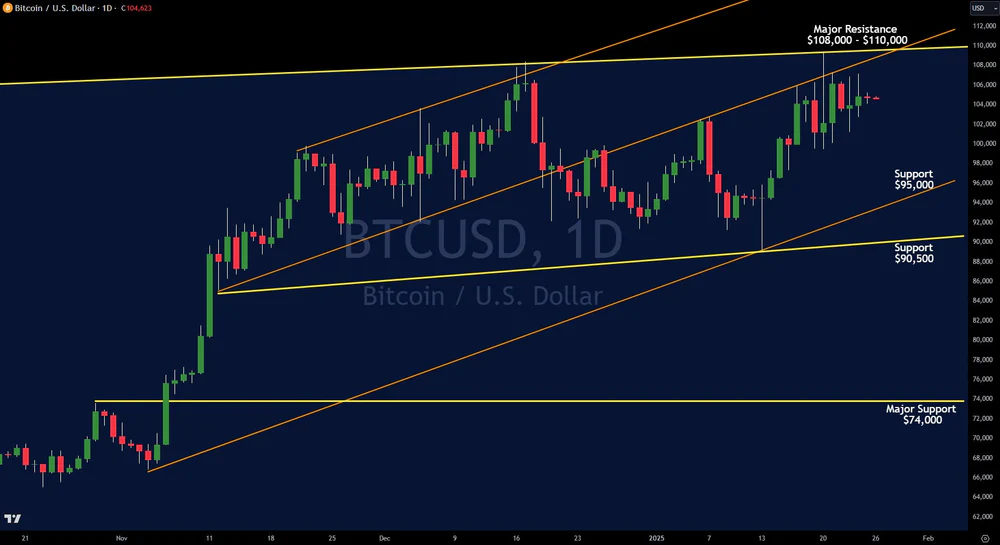
Market structure refers to the way price moves over time. Every market, whether Bitcoin, Gold, Forex, or Stocks, follows patterns of higher highs, higher lows, lower highs, and lower lows.
By understanding these movements, traders can identify trends, potential reversals, and areas where buyers or sellers may enter the market.
- Uptrend: Higher highs and higher lows.
- Downtrend: Lower highs and lower lows.
- Range: Price moves sideways between support and resistance.
Recognizing these patterns helps traders avoid entering positions against the prevailing market direction.
Why Bitcoin Market Structure Matters
Bitcoin is one of the most volatile financial assets available today. Price can move several percentage points within hours, making proper analysis essential.
Traders who focus solely on indicators often ignore what the price itself is communicating. Market structure allows traders to read the chart directly and understand the balance between buyers and sellers.
For example, if Bitcoin continues to print higher highs and higher lows, it suggests buyers remain in control. Conversely, repeated lower highs may indicate weakening momentum and potential bearish pressure.
The Importance of Support and Resistance
Support and resistance are key components of market structure.
Support
Support is an area where buyers historically enter the market and prevent prices from falling further.
Resistance
Resistance is an area where sellers historically enter the market and slow upward movement.
Professional traders often wait for price reactions around these levels before making trading decisions.
Instead of chasing moves, experienced traders allow the market to come to important areas first.
Risk Management Comes Before Profit
One of the most common mistakes new traders make is focusing exclusively on profits.
Successful traders focus on risk first.
Before entering any trade, consider:
- Maximum acceptable loss
- Position size
- Risk-to-reward ratio
- Stop-loss placement
- Overall portfolio exposure
A good trade setup with poor risk management can still result in long-term losses.
Consistent risk management is often what separates profitable traders from those who struggle over time.
Understanding Trading Psychology
Trading psychology plays a major role in market performance.
Fear, greed, impatience, and overconfidence often lead to poor decisions.
Some common psychological mistakes include:
- Entering trades out of fear of missing out (FOMO)
- Moving stop losses after entering a trade
- Overtrading after a winning streak
- Revenge trading after a loss
- Ignoring a trading plan
Developing discipline is one of the most valuable skills a trader can acquire.
How Professional Traders Approach Bitcoin Analysis
Professional traders rarely rely on a single indicator.
Instead, they combine multiple factors:
- Market structure
- Support and resistance
- Volume analysis
- Risk management
- Macro market conditions
- Trading psychology
This approach creates a more complete picture of the market and improves decision quality.
Common Beginner Mistakes in Crypto Trading
- Trading without a plan.
- Using excessive leverage.
- Ignoring stop losses.
- Following social media hype.
- Risking too much on a single trade.
- Expecting unrealistic returns.
- Entering trades based on emotions.
Avoiding these mistakes can significantly improve a trader’s learning curve and long-term consistency.
The Value of Trading Education
Financial markets are highly competitive environments. Education helps traders understand market behavior, develop structured approaches, and improve decision-making over time.
Learning from experienced educators, reviewing charts regularly, and maintaining a trading journal are all practices commonly used by successful market participants.
Trading is a skill that develops through education, practice, and experience rather than shortcuts or guaranteed systems.
Frequently Asked Questions
Can beginners trade Bitcoin?
Yes. However, beginners should focus on education, risk management, and understanding market structure before risking significant capital.
Is Bitcoin trading risky?
Yes. Cryptocurrency markets are highly volatile, and losses are possible. Proper risk management is essential.
How much capital do I need to start?
The amount varies by individual circumstances. New traders should only risk capital they can afford to lose.
What is the most important trading skill?
Many experienced traders consider risk management and discipline more important than finding trade entries.
Final Thoughts
Understanding market structure is one of the foundational skills every trader should develop. Whether analyzing Bitcoin, Gold, Forex, or other financial markets, the ability to identify trends, support, resistance, and risk opportunities can improve overall decision-making.
At IIT Trading Academy and Mass Live Trades, our goal is to provide educational resources that help traders understand how markets function and how to approach trading with discipline and structure.
Remember that trading involves risk. No strategy guarantees profits, and all traders should perform their own research and make decisions based on their individual circumstances.
